Align the brief
End use, quantity, target cost and launch date. Identify what is known and what still needs deciding.
WORK TOWARDSA shared requirements list
OUTERWEAR DEVELOPMENT & SOURCING
OEM/ODM development, material sourcing and production coordination for outdoor brands — from a clear brief to an approved production handover.
Development review
Start with your brief
Materials & sampling
Make the trade-offs visible
Production & quality coordination
Agree what will be checked
A RELEVANT STARTING POINT
Begin with the job the garment needs to do.
Explore the decisions that shape your programme.
CURRENT DEVELOPMENT REFERENCE
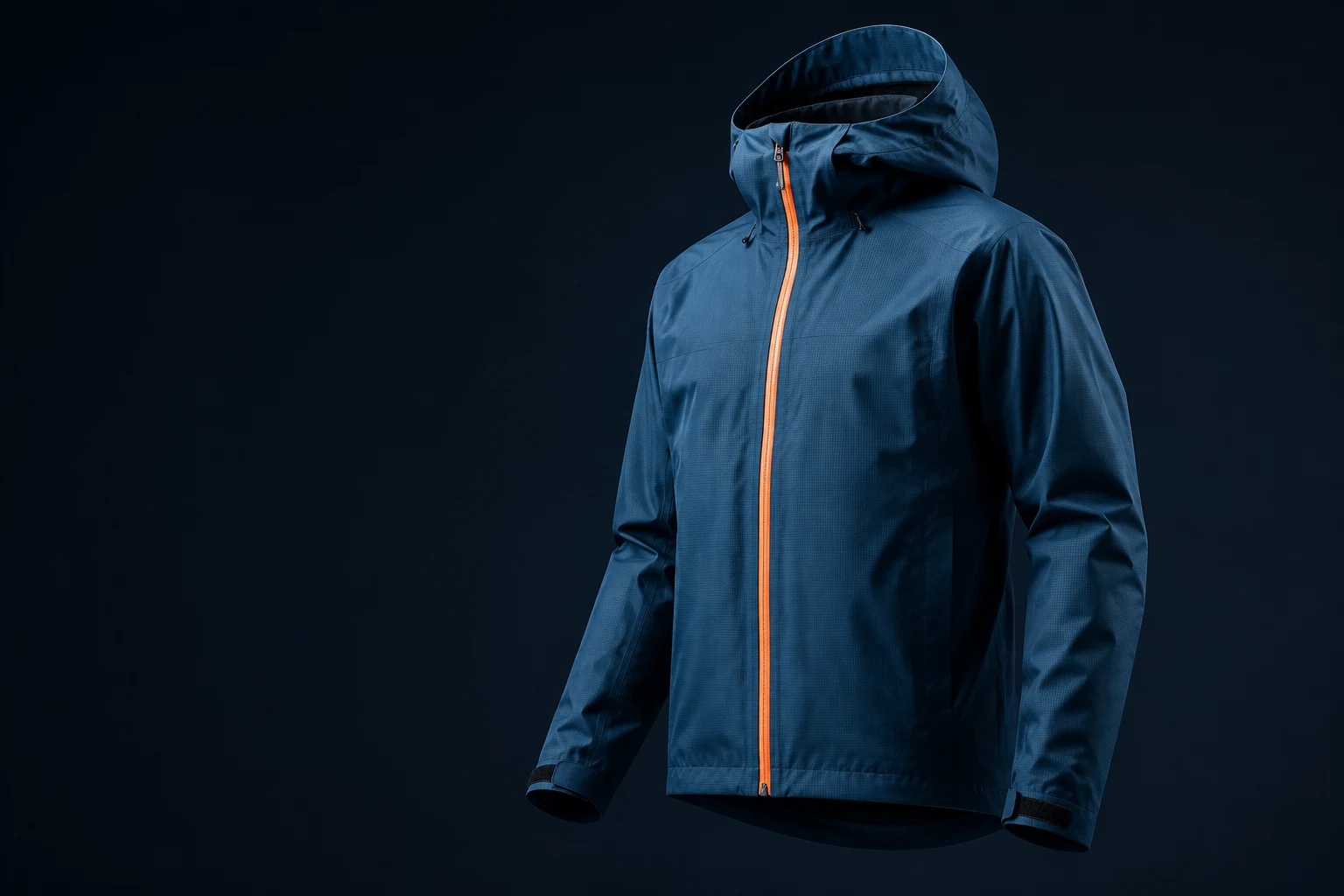
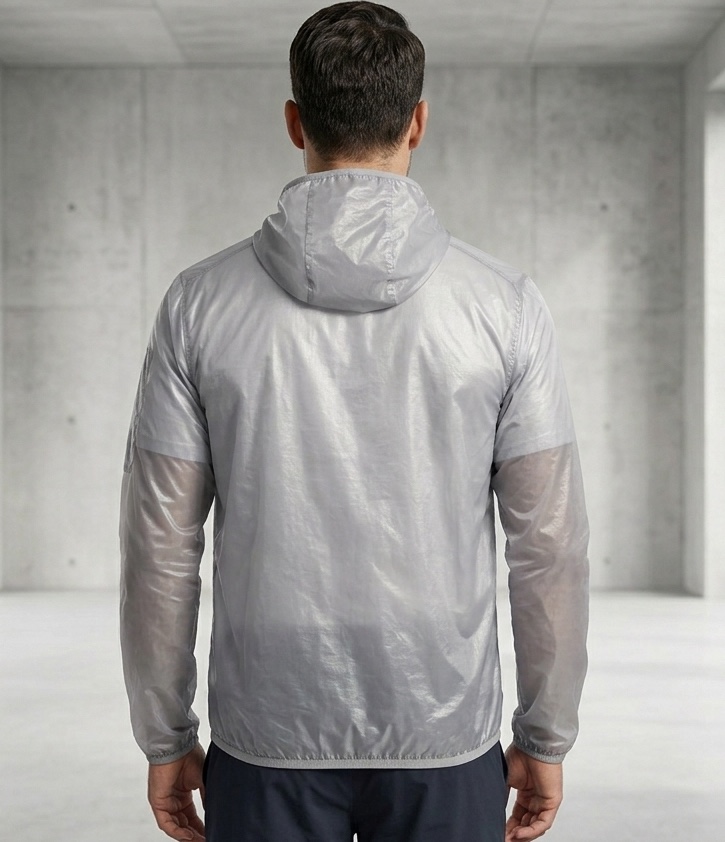
SW-26-LW-001 is a 20D hooded shell developed around low weight, full seam sealing and a compact left-sleeve pocket. Review its sample views, construction details and development data on this website.
Waterproofness: 10,000 mm. Breathability: 10,000 g/m²/24 h.
Review the full technical reference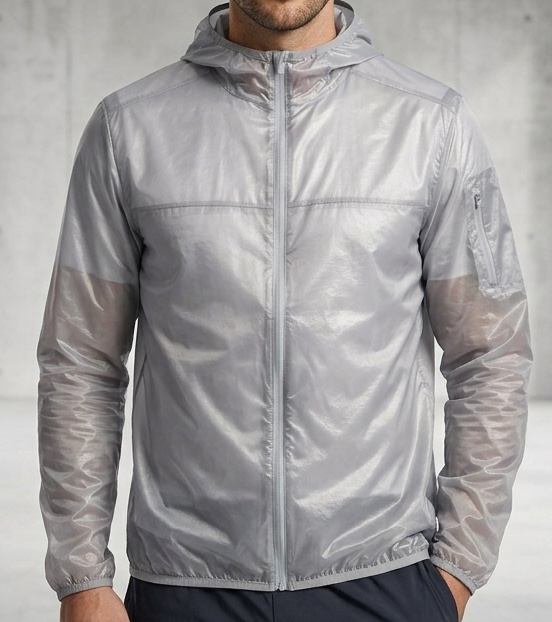
LESS GUESSWORK, EARLIER
A development conversation should make your
decisions easier. Here is a useful place to start.
End use, quantity, target cost and launch date. Identify what is known and what still needs deciding.
Compare construction, materials and trims. Discuss feasibility and sourcing constraints before sampling.
Review fit, workmanship and the agreed test requirements. Record comments and changes clearly.
Agree specifications, approval points and inspection scope before moving into bulk production.
MAKE CAPABILITY CHECKABLE
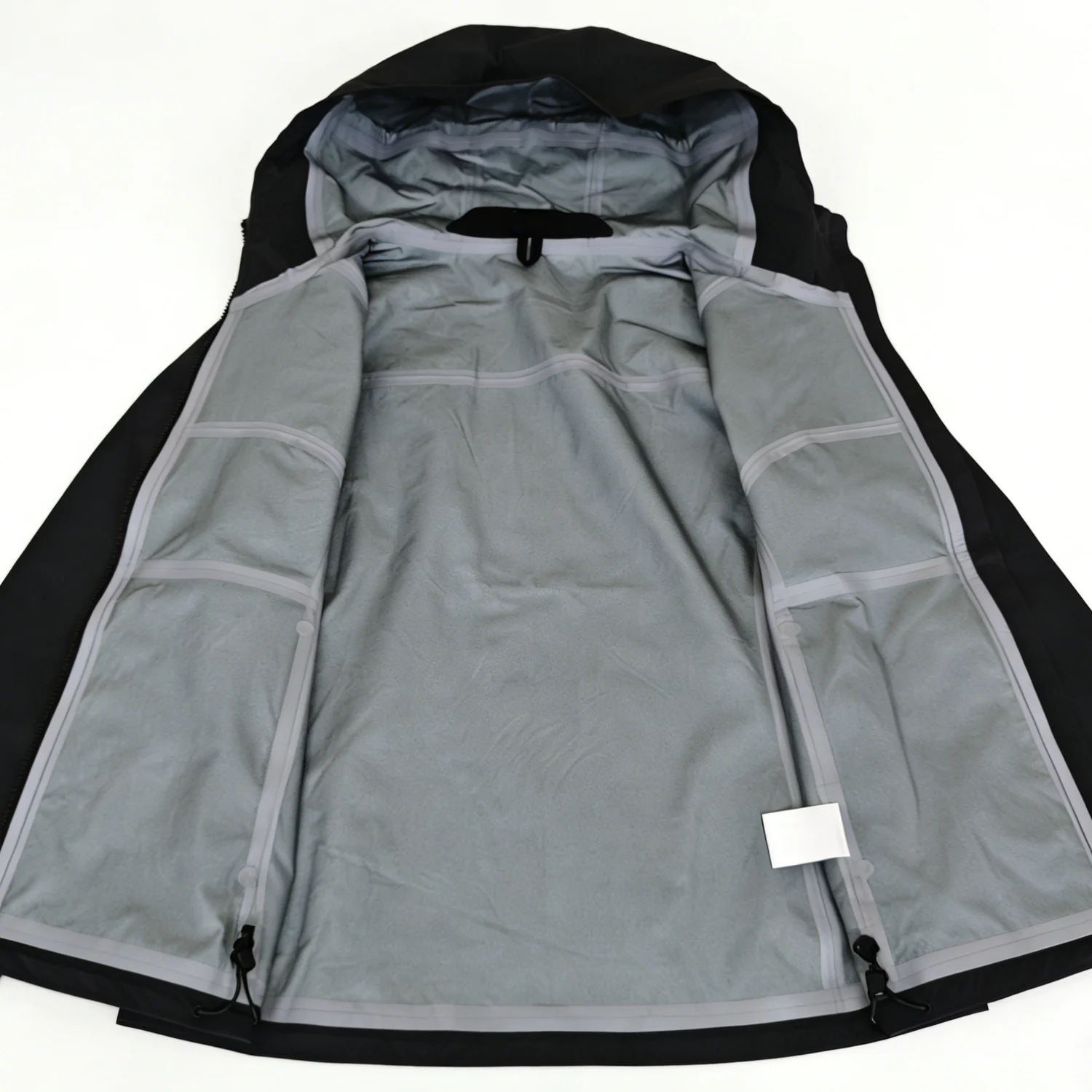
A product photo starts the conversation. The construction, test context and project records help you evaluate the next step.
Ask for relevant sample details: seams, closures, lining and finishing.
Match performance values to a method, material and report scope.
Confirm the holder, validity and applicability of each requested certificate.
THE DEVELOPMENT NOTEBOOK
Start with wearer, conditions and price position. Then agree the fabric structure, seam construction and test requirements.
Review the waterproofness and breathability values alongside the fabric, test method and intended use.
At the current baseline, one colour starts at 500 pieces per style; two colours start at 600. Custom materials may change the calculation.

A CLEAR COMPANY IDENTITY
Swing Outdoor is the technical outdoor apparel business operated by Xiamen Swing Imp. & Exp. Co., Ltd., based in Xiamen, China.
We are an OEM/ODM development, sourcing and production partner. Our working scope covers development review, material sourcing, sampling, production follow-up and quality coordination.
Production is executed through qualified manufacturing partners selected against the approved brief.
BEFORE WE START
Swing Outdoor is the technical outdoor apparel business operated by Xiamen Swing Imp. & Exp. Co., Ltd., based in Xiamen, China. Its working scope includes development review, material sourcing, sampling, production follow-up and quality coordination. Ask us to clarify the responsible production facility and contracting entity for your project.
Yes. Start the conversation with your product category, end use, reference images, quantity and target launch date. We will help develop the specifications for quotation and sampling.
The current planning baseline is 500 pieces per style and at least 300 pieces per colour: for example, 500 pieces in one colour or 600 across two colours. Custom fabrics, colours and trims may introduce additional minimums. Confirm the complete quantity and colour breakdown before quotation.
Share your waterproofness and breathability requirements, intended use and preferred test method. We will match the fabric and construction to your programme, including washing and conditioning requirements.
List the requirements for your intended market in the project brief. We coordinate the relevant material, facility and supply-chain documentation for your programme.
7–12 working days when materials are available; longer when new fabric or trim development is required. Timing is confirmed after the specification and material availability review.
Share your end use, quantity and development questions. We will review the next step against your brief.